
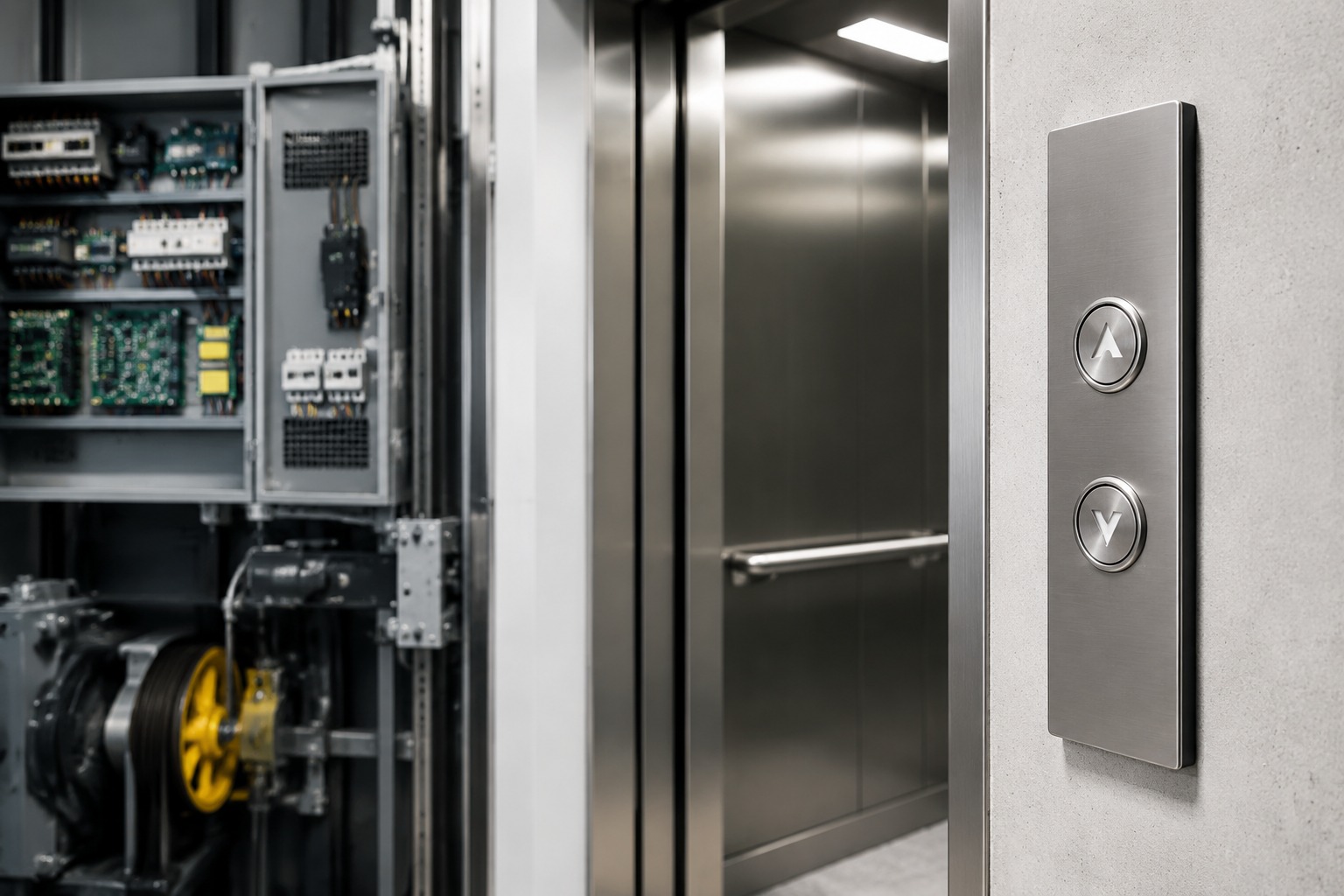
Elevator button panels do far more than send a car to a floor. In the United States, they influence passenger confidence, inspection readiness, maintenance speed, and the visual quality of a lobby or cab interior. Whether a property manager in Chicago is updating a high-rise, a hospital in Houston needs dependable hall call stations, or a modernization contractor in Los Angeles is matching older fixtures, the right panel choice can reduce downtime and improve daily use.
The most direct answer is this: choose elevator buttons and outbound call panels by matching function first, then dimensions, electrical compatibility, code-related accessibility, indicator visibility, and long-term durability. A part that looks correct but does not fit the bottom box, voltage, wiring layout, or controller logic can create service delays and repeat site visits. For that reason, buyers in major U.S. markets such as New York, Miami, Dallas, Seattle, and Atlanta usually benefit from a model-matching process that checks photos, measurements, wiring details, and application conditions before ordering.
The U.S. replacement market is broad because buildings often contain mixed generations of equipment. Downtown office towers may still use legacy fixtures; airports and transit hubs need heavy-duty vandal-resistant stations; hotels prefer refined finishes; hospitals prioritize high visibility and cleanability; residential towers want modern aesthetics with dependable availability. This means there is no single “best” button panel. The best panel is the one that matches the existing elevator system and the building’s traffic, environment, and service goals.
From a purchasing perspective, common requests include individual round push buttons, complete hall call or outbound call panels, faceplates, back boxes, lamp assemblies, engraved legends, braille layouts, and complete replacement stations for modernization projects. Property owners in trade-heavy regions such as the Port of Los Angeles, Port of Long Beach, Port of Houston, Savannah, and Newark often also ask about lead time, packaging protection, and consistency across repeat orders because project schedules can be tight and multiple buildings may be involved.
For maintenance companies, the buying advice is simple: document before removing. Record button diameter, panel cutout, mounting method, terminal type, illumination style, engraving, braille, plate finish, box depth, and controller behavior. That documentation helps avoid mismatched orders and supports a quicker return to service.
The products discussed here are used across offices, apartments, hotels, hospitals, schools, industrial sites, parking structures, retail centers, senior living facilities, and public buildings. In each setting, the panel must support safe calling, clear indication, and reliable operation over thousands of cycles.
In recent U.S. case work, common scenarios include replacing worn round buttons in legacy car operating panels, switching damaged hall stations after lobby renovations, updating outdated faceplates during ADA-focused improvements, and sourcing compatible call panels for modernization contractors managing multi-site portfolios. In all of these cases, compatibility data matters more than appearance alone.
Local suppliers can be useful for emergency pickup, but many buyers also work with specialized elevator parts suppliers that support broader model identification, careful quality inspection, stable sourcing, and export-grade or long-distance protective packaging. That becomes especially important when serving distributed portfolios across states or when specific models for brands such as Hitachi, Toshiba, KONE, and Mitsubishi are required.
Our role in this market centers on practical parts support for maintenance firms, distributors, building owners, and modernization contractors. On the technology side, we help confirm part matching by reviewing model information, dimensions, photos, and application details so customers can reduce ordering risk. On the manufacturing and sourcing side, we focus on stable quality checks and protected packaging for vulnerable electrical and cosmetic components. On the service side, we emphasize responsive communication and replacement-part guidance so customers can minimize downtime and keep elevator systems operating safely.
The line chart above reflects a realistic upward demand trend driven by modernization work, aging installed equipment, stricter expectations for uptime, and growing focus on accessibility updates. Looking toward 2026, buyers in the United States are expected to prioritize lower-failure components, cleaner visual design, and easier replacement pathways that shorten maintenance windows.
Common Elevator Button Panel Types
In U.S. buildings, elevator button panel types generally fall into a few practical categories: car operating panel buttons, hall or outbound call panels, destination-related panels in advanced systems, service and firefighter operation panels, and accessory stations such as intercom or attendant panels. Each type has different priorities for size, visibility, mounting, and logic.
Car operating panels, often called COP assemblies, are mounted inside the elevator cab and usually contain floor selection buttons, door open and close buttons, alarm, emergency communication, and key switch positions. These need high daily cycle durability because they are touched constantly. Appearance also matters because the COP is a prominent interior finish element. In premium residential towers in Manhattan or luxury hotels in Las Vegas, the visual quality of the plate, engraving, and lighting can strongly affect perceived building quality.
Hall call or outbound call panels are installed outside the cab, usually at each landing. Their purpose is simple but critical: they let passengers call the elevator and confirm that the call has registered. In busy office towers in Boston or mixed-use developments in San Francisco, fast recognition of the indicator light reduces confusion and crowding. In hospitals and public buildings, large legends and clear illumination improve usability for diverse passenger groups.
Round push button assemblies remain one of the most common replacement formats because many legacy and mid-generation systems were built around standard circular cutouts. However, square, rectangular, and custom profile buttons are also found, especially in newer designs or highly branded projects. There are also vandal-resistant versions with thicker metal construction, sealed designs for dusty or humid environments, and anti-scratch finishes for heavily used areas.
| Panel Type | Typical Location | Main Function | Common U.S. Use Case | Key Buying Check | Replacement Priority |
|---|---|---|---|---|---|
| Car operating panel button | Inside cab | Floor selection and door commands | Office towers, apartments, hotels | Diameter, voltage, legend, finish | Very high |
| Hall call panel | Landing wall | Up/down call registration | Commercial and residential buildings | Back box fit, arrow layout, lamp style | Very high |
| Outbound call panel | Landing wall | External elevator call control | Legacy and modernization projects | Controller compatibility, mounting | High |
| Destination entry panel | Lobby area | Input destination before boarding | High-rise Class A offices | System logic and software integration | Medium |
| Service operation panel | Cab or restricted area | Independent or maintenance functions | Hospitals, freight, service lifts | Key switch arrangement, labeling | Medium |
| Fire service or emergency panel | Cab/landing | Emergency operation support | Code-sensitive facilities | Exact specification and compliance detail | Critical |
This table shows why panel category matters first. A buyer replacing a round cab button should not use the same selection process as a buyer replacing a full landing station. The installation environment, the electrical interface, and the visible user experience are different.
By industry, demand also varies. Hospitals need quick-read indicators and dependable operation under constant use. Warehouses and freight-capable buildings often prioritize impact resistance. Universities and transit-connected buildings may need tamper-resistant fixtures. Senior living and multifamily properties may need high-contrast legends and softer actuation force. These functional needs shape which panel type is most appropriate.
The bar chart highlights how apartments, offices, and hospitals continue to drive strong replacement demand in the U.S. market. Those segments typically have dense usage, multiple stops, and ongoing pressure to maintain service quality.
Round Push Button Replacement Notes
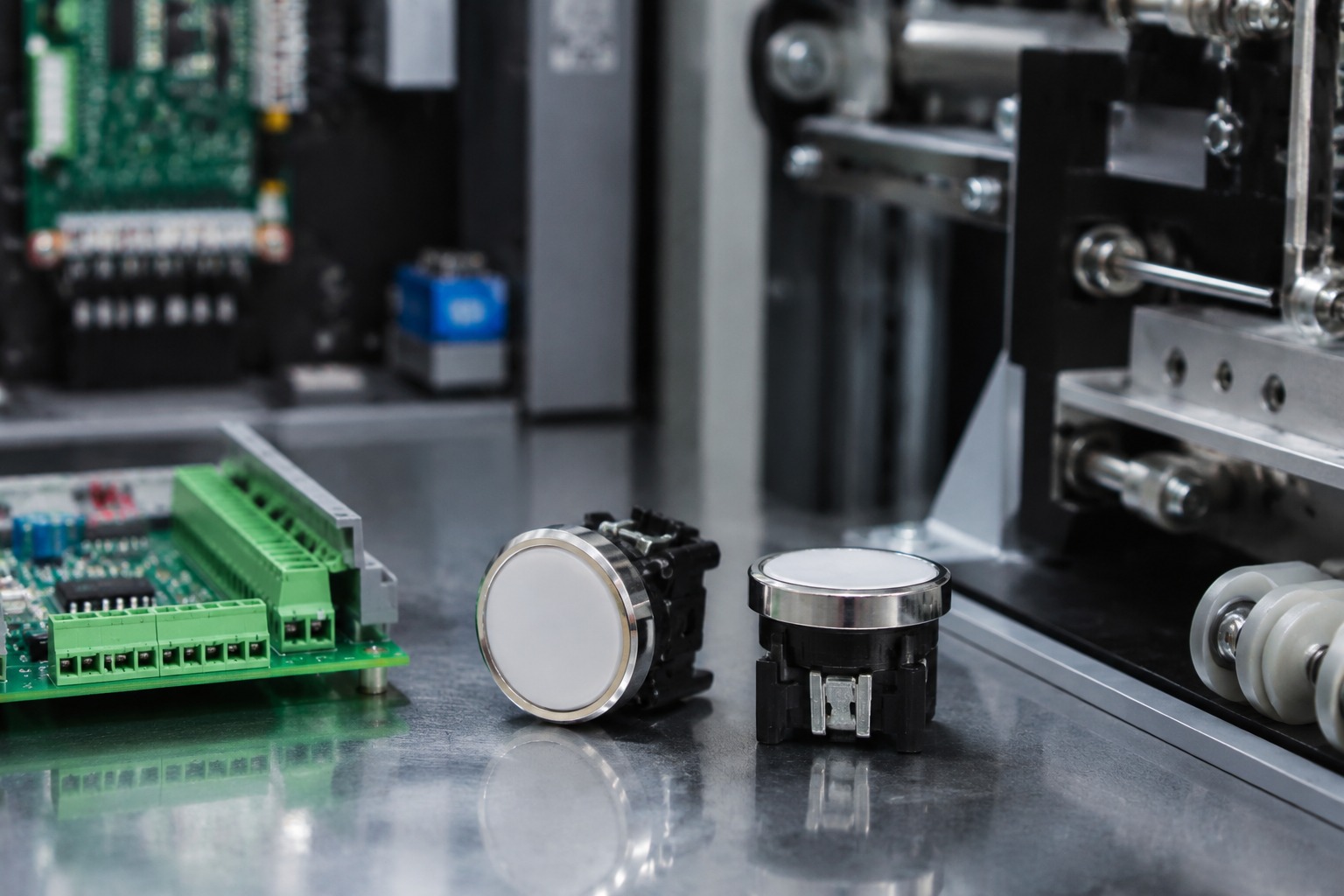
Round push buttons are popular because they are straightforward in concept, but replacement is often less simple than expected. The buyer must verify the external button diameter, panel cutout size, mounting method, projection height, bezel shape, illumination color, legend style, and electrical contact details. Two buttons that look similar in a photo may not fit the same faceplate or connect to the same wiring.
For example, a maintenance technician in Philadelphia may remove a worn cab button and discover that the bezel diameter matches, but the rear body is deeper than the original space allows. In another case, a property in Phoenix may find that the button lights up correctly but the contact logic differs, causing unreliable registration. That is why careful matching is essential.
When sourcing a round elevator push button replacement, buyers should confirm whether they need a complete button assembly, only the cap, only the lamp, or a matching contact block. Replacing only the visible part may not solve intermittent failure caused by worn internal contacts.
| Checkpoint | What to Measure or Confirm | Why It Matters | Common Field Mistake | Best Practice | Impact if Ignored |
|---|---|---|---|---|---|
| Button diameter | Visible face size in mm or inches | Must match panel opening and look | Assuming all round buttons are standard | Measure old part with caliper | Loose or impossible fit |
| Cutout size | Panel hole diameter | Determines mounting compatibility | Using face size instead of cutout size | Measure face and cutout separately | Rework of faceplate |
| Mounting depth | Rear clearance behind plate | Avoids interference with wiring or box | Ignoring shallow back boxes | Check side profile photos | Button cannot seat correctly |
| Illumination type | LED, lamp, voltage, color | Affects visibility and wiring | Ordering wrong voltage lamp | Confirm label and circuit spec | No light or premature failure |
| Contact arrangement | NO/NC or integrated contact logic | Ensures command registration | Matching shape only | Verify terminal diagram | Non-functioning call signal |
| Legend and braille | Floor marking and tactile detail | Supports usability and consistency | Using incorrect floor identifier | Cross-check building directory | User confusion and rework |
The table above is useful because most replacement errors occur in the small details. In practice, a good supplier will ask for photos, measurements, and application information rather than trying to force a quick visual match. That extra step usually saves time overall.
From a technology capability standpoint, our support process emphasizes model matching and application review. When a customer sends panel photos, dimensions, old labels, and wiring details, we help narrow down compatible replacement options before shipment. This is especially helpful for mixed equipment portfolios where labels may be worn or multiple previous repairs have changed what is installed.
On the manufacturing and sourcing side, stable quality inspection matters for round push buttons because cosmetic defects, inconsistent spring force, or weak illumination can quickly become visible problems in occupied buildings. Reliable sourcing reduces variation between lots, which matters when a contractor in Denver or Charlotte needs uniform appearance across several elevators.
Outbound Call Panel Selection
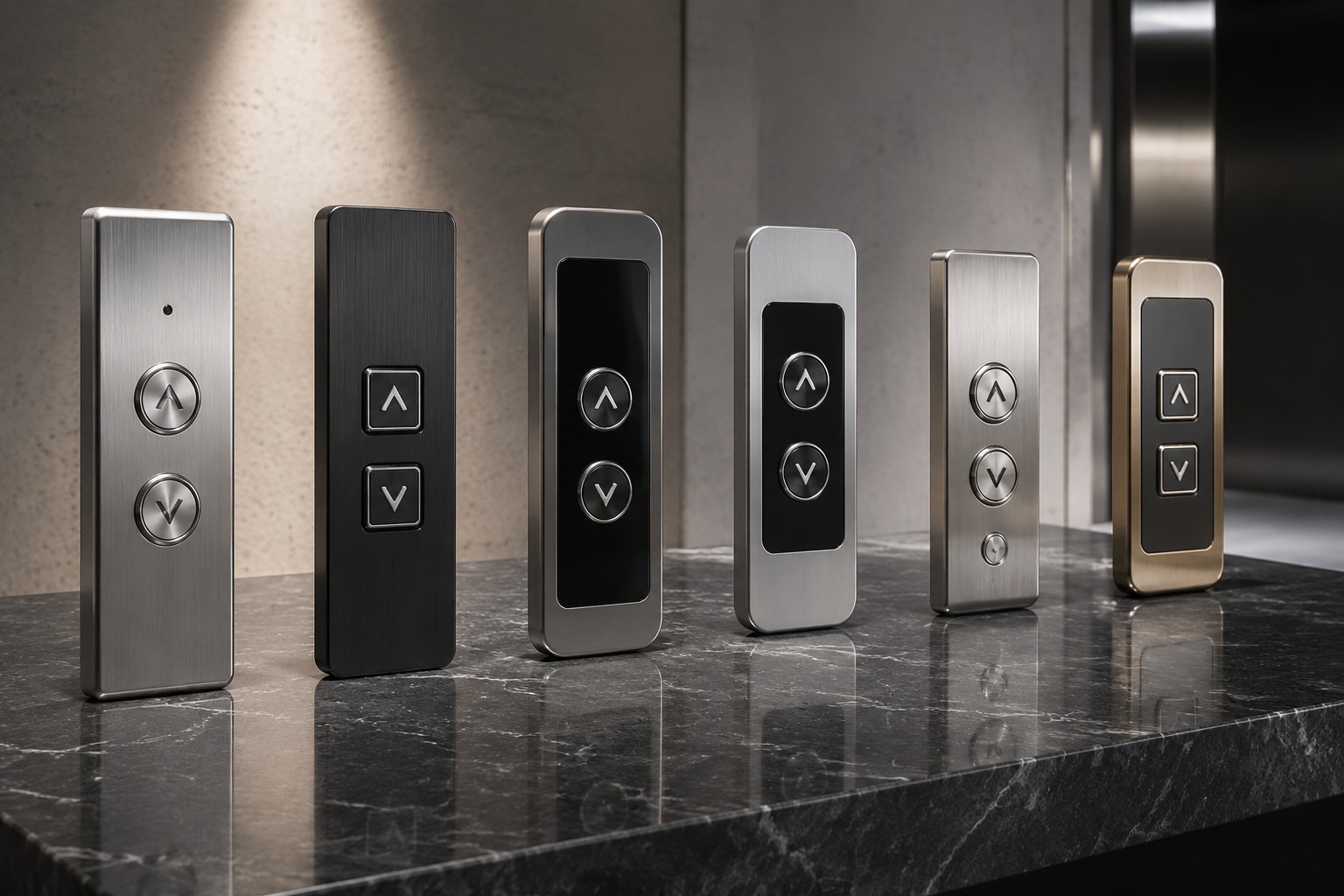
Outbound call panel selection should begin with traffic pattern, controller compatibility, and physical constraints. The panel outside the elevator is one of the most visible passenger touchpoints, so it must be dependable, easy to see, and suitable for the wall opening already in place unless a broader modernization is planned.
In the United States, common outbound hall call applications include simple up/down stations for mid-rise residential buildings, single-button call stations for top or bottom landings, and more customized arrangements for freight or service areas. If the existing system is from a major brand or specific generation, the replacement should be matched to that ecosystem whenever possible. Buyers searching for a compatible MCA outbound call panel or a general elevator outbound call panel should review not only dimensions but also signal behavior, indicator format, mounting, and finish.
For lobby renovation projects in places like Miami Beach, Orange County, or downtown Nashville, aesthetic alignment matters too. A crisp stainless faceplate with even indicator lighting can elevate the perceived quality of the entire entrance area. But appearance should never override fit and electrical compatibility.
| Selection Factor | Questions to Ask | Recommended Check | Typical Building Type | Risk Level | Buyer Tip |
|---|---|---|---|---|---|
| Controller compatibility | Does the panel match system signaling? | Review wiring and old part number | All building types | Critical | Never order by appearance only |
| Button arrangement | Single, up/down, or custom? | Compare each landing condition | Residential and office | High | Top and bottom floors often differ |
| Indicator style | Arrow, ring, backlit icon? | Check visibility in actual lighting | Hospital and public spaces | High | Choose clear, bright indication |
| Plate size and finish | Will it cover old wall marks? | Measure width, height, screw spacing | Renovation projects | Medium | Consider cosmetic coverage area |
| Back box fit | Does depth and hole pattern match? | Inspect rough-in box | Legacy buildings | Critical | Check before site removal |
| Traffic durability | How many cycles per day? | Assess usage and user profile | High-rise and transit-adjacent | Medium | Use heavy-duty options where needed |
This selection table shows that outbound panels are both electrical and architectural products. A proper match supports dependable service while preserving the look of the corridor or lobby.
Service capability also plays a large role here. Buyers often need fast communication on dimensions, finish, lead time, and substitution risk. Responsive support can prevent project delays, especially when a contractor is coordinating multiple trades such as wall repair, painting, and fixture installation.
Bottom Box and Faceplate Compatibility
One of the most overlooked issues in elevator panel replacement is compatibility between the bottom box, faceplate, and replacement device body. Even when a button or call panel appears correct from the front, the rear box may be too shallow, screw locations may not align, or faceplate openings may not match the new assembly.
Legacy buildings in cities such as Cleveland, St. Louis, and Baltimore often have older rough-in conditions that differ from current standard patterns. In some modernizations, faceplates were changed but boxes were left in place. In others, wiring was extended or rerouted in ways that reduce available clearance. This is why installers should inspect the entire assembly, not just the visible plate.
| Compatibility Item | What to Verify | Measurement Focus | Common Issue | Correction Strategy | Installation Impact |
|---|---|---|---|---|---|
| Back box depth | Rear cavity behind panel | Depth from face to obstruction | New button body too deep | Use shallower matched assembly | Avoids pinched wires |
| Faceplate opening | Cutout shape and size | Diameter or rectangular dimensions | Button bezel does not seat flush | Match cutout exactly | Improves appearance and fit |
| Screw spacing | Mounting hole centers | Center-to-center distance | Plate cannot attach to box | Confirm layout before purchase | Prevents field drilling |
| Plate thickness | Faceplate gauge | Thickness in mm | Nut or clip does not hold properly | Use correct fastener type | Maintains secure mounting |
| Wire exit direction | Terminal orientation | Top, rear, or side access | Interference with box wall | Request rear-view photo match | Speeds installation |
| Finish continuity | Brushed, mirror, painted, bronze | Visual match to adjacent fixtures | Noticeable mismatch after install | Compare under building lighting | Preserves building appearance |
This compatibility review is important because the cost of a wrong panel is not limited to part price. It can include labor repeat visits, wall touch-up, tenant complaints, and delayed inspections. In busy downtown properties, every extra visit can affect traffic flow and customer perception.
Our manufacturing capability supports this area by emphasizing controlled sourcing, consistent dimensions, and packaging that protects finished plates from scratching or bending during transport. Faceplates and call stations are highly visible parts, so packaging quality matters almost as much as product quality when shipments travel to job sites across the United States.
Indicator Lighting and Wiring Checks
Indicator lighting is not just a design preference. It confirms that a command has been received, guides passengers, and supports accessibility. In bright lobbies with glass facades, weak lighting can be hard to see. In healthcare settings operating around the clock, reliable illumination matters for wayfinding and user confidence. Wiring checks are equally important because a panel with the wrong voltage, polarity, or terminal arrangement may partially function or fail quickly.
Typical checks include lamp or LED voltage, color, brightness, current draw, contact arrangement, terminal labeling, and whether the indicator is integrated into the button or separate from it. Replacement planners should also inspect for brittle insulation, loosened terminals, signs of overheating, and inconsistent field modifications from previous repairs.
| Lighting/Wiring Check | What to Inspect | Reason | Common Symptom | Preferred Action | Result |
|---|---|---|---|---|---|
| Operating voltage | Label or circuit reading | Prevents lamp mismatch | No illumination or early burnout | Match exact voltage | Stable indicator life |
| LED vs lamp type | Technology used in old assembly | Affects replacement behavior | Color mismatch or dim light | Confirm lighting architecture | Consistent appearance |
| Terminal configuration | Wire position and function | Avoids wiring errors | Call does not register | Map terminals before removal | Faster commissioning |
| Indicator color | White, red, blue, amber, green | Supports visual consistency | Mixed colors in same bank | Match existing design intent | Improved user clarity |
| Brightness level | View under site lighting | Ensures visibility | Users miss active calls | Select adequate output | Better usability |
| Wire condition | Insulation, tension, corrosion | Improves reliability | Intermittent operation | Repair or replace damaged leads | Reduced service callbacks |
The explanation behind this table is straightforward: a button panel can be mechanically perfect and still fail in the field if lighting and wiring details are overlooked. Many service callbacks are caused by simple electrical mismatches, not by defective hardware.
In modernization planning, trend data shows a gradual shift away from basic low-visibility lamps toward brighter, longer-life LED-based indicators with more consistent color output. This is especially relevant for properties preparing for 2026 sustainability and maintenance goals, since longer-life indicators can reduce replacement frequency and service disruption.
The area chart illustrates a realistic migration toward LED-equipped or LED-compatible assemblies. This shift is supported by maintenance efficiency, visibility improvements, and stronger sustainability expectations from owners and investors.
Accessibility and Durability Factors
Accessibility and durability should be considered together because a button that is technically compliant but difficult to see, hard to press, or prone to wear does not serve users well. In the United States, buyers should pay attention to tactile features, braille, contrast, actuation feel, button travel, mounting height within the broader system design, and visibility under local lighting conditions.
Durability depends on traffic volume, environmental exposure, and user behavior. A hospital in Minneapolis, a beachfront property in Florida, and a logistics facility near the Port of Houston do not place the same demands on a button panel. Corrosion resistance, finish wear, sealing, and impact resistance may all matter differently depending on the setting.
For 2026, future trends point toward stronger demand for vandal-resistant hardware in public access buildings, more sustainable materials and coatings, easier-to-clean surfaces in healthcare and hospitality, and greater integration with modernization programs focused on energy efficiency and lifecycle cost. Policy direction and owner expectations are also pushing toward better accessibility clarity rather than simple minimum compliance.
| Factor | Accessibility Benefit | Durability Benefit | Best Fit Application | Risk if Underspecified | 2026 Trend Direction |
|---|---|---|---|---|---|
| Braille and tactile legends | Supports inclusive use | Low wear when engraved well | All public and multifamily buildings | User confusion | Standard expectation |
| High-contrast illumination | Easier visual recognition | Reduces repeated pressing | Hospitals, senior living, offices | Missed calls | Growing demand |
| Stainless steel faceplates | Clear appearance over time | Good corrosion and scratch resistance | Hotels, offices, coastal sites | Fast cosmetic aging | Stable preference |
| Vandal-resistant construction | Maintains usable controls | Withstands abuse and impact | Schools, transit-adjacent, public buildings | Frequent damage | Increasing adoption |
| Sealed button design | Improves cleanliness | Limits dust and moisture entry | Healthcare, industrial, parking | Early internal failure | Upward demand |
| Consistent actuation force | Easier daily operation | Signals better assembly quality | All buildings | User dissatisfaction | Higher owner awareness |
The comparison above shows that accessibility and durability are not separate checkboxes. They support each other. A clearer, stronger, and more reliable panel lowers misuse, improves user confidence, and helps the building maintain a professional appearance.
This comparison chart reflects why many U.S. buyers prefer specialized elevator parts support for button panels and hall stations. The biggest advantages are typically model matching, legacy compatibility, and packaging protection for cosmetic components.
Testing After Installation
Testing after installation should be systematic, even for what seems like a simple button replacement. A good post-installation procedure reduces callbacks and helps confirm that the mechanical fit, lighting, and electrical response all work as intended.
Start by checking physical seating. The button or panel should mount flush, remain secure, and show no binding when pressed. Next confirm indicator operation: does the lamp or LED illuminate evenly, at the correct time, and with the correct color or symbol? Then verify command response at multiple repetitions. A button that works once but fails intermittently may indicate wiring tension, poor contact alignment, or an incomplete fit within the back box.
For hall or outbound panels, test both peak and quiet conditions if possible. In high-traffic buildings in New York, Washington, D.C., or San Diego, users may press rapidly or repeatedly, so positive registration should be obvious. During final review, compare the replaced station visually with adjacent fixtures to ensure finish, brightness, and labeling are consistent.
| Test Step | Method | Pass Standard | Common Failure | Corrective Action | Documentation Tip |
|---|---|---|---|---|---|
| Mechanical fit test | Press and inspect mounting | Flush and stable installation | Loose bezel or binding | Re-seat or verify cutout match | Take front and side photos |
| Illumination test | Activate command repeatedly | Consistent light output | Dim or no indicator | Check voltage and lamp type | Record lighting color |
| Signal registration test | Press multiple times | Every press registers correctly | Intermittent command | Inspect contacts and terminals | Log cycle count |
| Adjacent panel review | Compare nearby fixtures | Uniform finish and legends | Obvious mismatch | Replace with correct finish/style | Capture corridor view |
| Clearance check | Inspect box and wiring behind | No wire pinch or stress | Rear interference | Adjust routing or use correct depth | Photo before closing |
| User acceptance check | Observe normal operation | Clear, intuitive response | Confusing indication timing | Review system logic if needed | Note customer sign-off |
This table matters because testing is where a successful order becomes a successful installation. It also helps maintenance teams create better records for future repeat purchases and portfolio-wide standardization.
From a service capability perspective, responsive after-sales support is important here as well. If a technician encounters a fit question, lighting issue, or wiring uncertainty during installation, quick communication can help resolve the problem before the job turns into a second visit.
FAQ About Elevator Buttons
What is the difference between a round push button and a complete button panel?
A round push button is usually a single functional component, while a complete panel may include the faceplate, indicators, mounting hardware, and multiple control points. Replacing only the button can be more economical if the surrounding panel remains usable.
How do I know if an outbound call panel is compatible?
Check the old model information, button arrangement, mounting dimensions, back box size, terminal layout, indicator behavior, and finish requirements. Photos of the front and rear are highly useful.
Can I replace only the light inside a button?
Sometimes yes, but it depends on the assembly design. If the contact mechanism is worn or the housing is damaged, a full assembly replacement is usually the better long-term solution.
Why does bottom box compatibility matter so much?
Because a panel that does not physically fit the rear box can delay installation, damage wiring, or force field modification that affects appearance and reliability.
What materials are best for high-traffic U.S. buildings?
Stainless steel and heavy-duty metal constructions are common choices because they resist wear, support a professional look, and perform well in offices, apartments, hospitals, and hotels.
Are accessibility features only important for public buildings?
No. Clear legends, tactile markings, and visible indicators improve usability in all building types, including private multifamily and office properties.
How can building owners reduce downtime when ordering replacement buttons?
Keep records of dimensions, part numbers, wiring, and photos. Standardize common replacement items across properties where possible, and work with a supplier that can help confirm compatibility before shipment.
What should buyers in coastal or humid regions consider?
Look at corrosion resistance, sealed designs, finish durability, and packaging quality. Locations such as Miami, Tampa, New Orleans, and Houston may expose panels to harsher environmental conditions than inland sites.
What trends should U.S. buyers watch in 2026?
More LED-based indicators, stronger focus on accessibility clarity, greater interest in sustainable and longer-life materials, better vandal resistance in public-facing sites, and more modernization projects seeking direct-fit replacements that reduce labor time.
How should I choose between a local source and a specialized supplier?
If the need is urgent and standard, local availability may help. If the application is brand-specific, legacy, cosmetic, or technically sensitive, a specialized elevator parts supplier often provides stronger model matching, stable sourcing, protective packaging, and responsive technical coordination.
In summary, elevator push buttons and outbound call panels should be selected with a full view of usability, reliability, fit, and long-term maintenance value. For the United States market, that means combining careful field documentation with compatibility review, visible quality standards, and dependable supply support. When those elements come together, buildings gain smoother operation, cleaner appearance, and fewer service interruptions.