
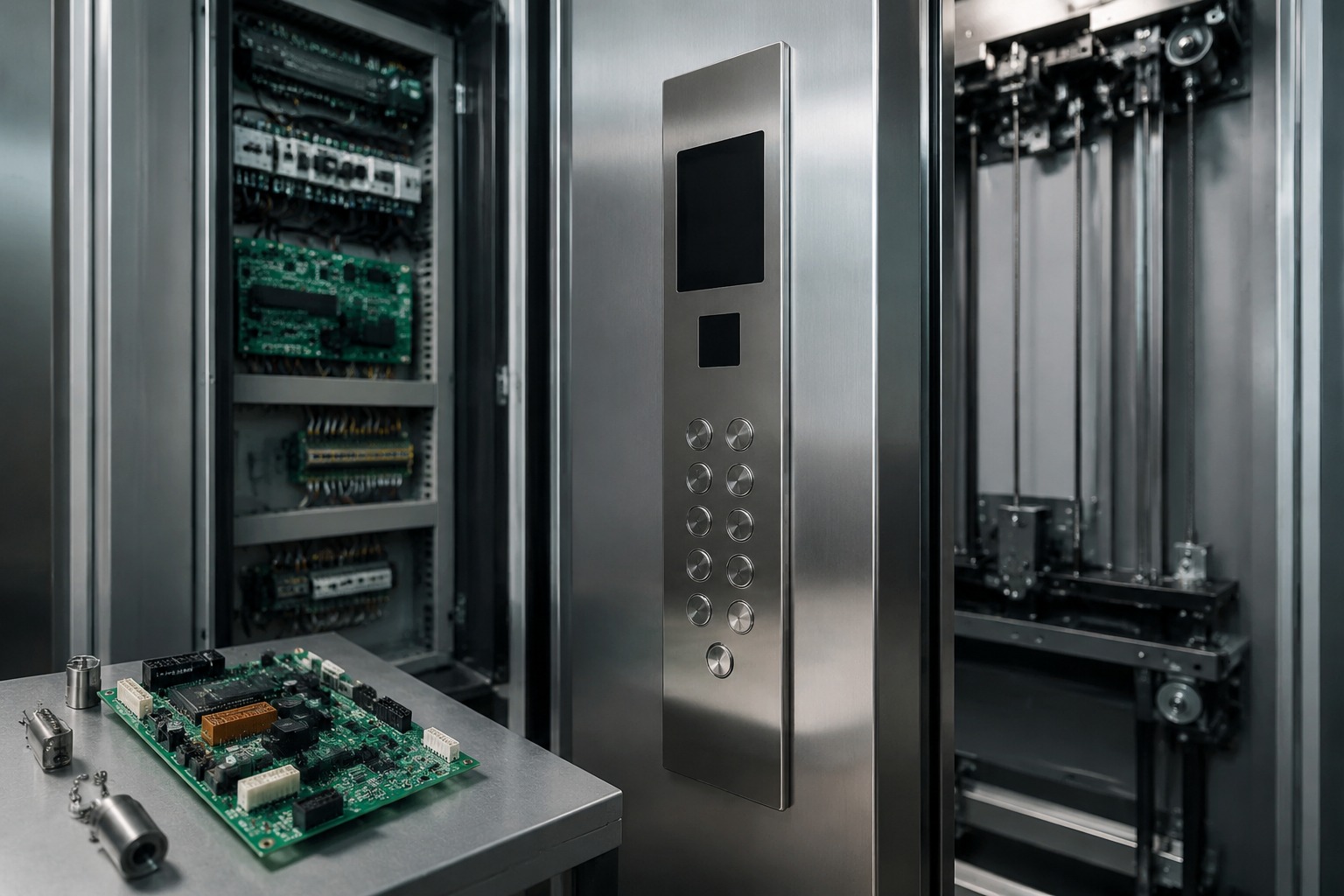
In any elevator cab, the car operating panel, often called the COP, is one of the few components every passenger sees and touches. It is the visual and functional center of the ride. A well-designed panel helps people understand where to press, confirms the car is responding, supports accessibility, and reinforces the building’s brand image. A poorly matched or poorly built panel can create confusion, speed up wear, and complicate maintenance.
For building owners, maintenance companies, modernization contractors, and elevator parts distributors in the United States, COP customization is not only a design decision. It is also a practical decision tied to code, controller compatibility, vandal resistance, replacement lead time, and long-term serviceability. Whether the project is in New York City, Houston, Los Angeles, Chicago, Miami, Seattle, Atlanta, or near logistics hubs such as the Port of Long Beach, Port of Houston, and Port of Savannah, the same core question applies: how do you choose a car panel that fits the elevator system, passenger flow, and use environment?
The direct answer is this: a good elevator car operating panel should match the controller and wiring requirements, support the building’s traffic pattern, meet accessibility expectations, resist the environment it will face, and be easy to maintain over time. For many buyers, that means reviewing button style, display format, faceplate finish, panel size, emergency communication devices, mounting method, and connector details before placing an order.
For projects needing replacement or tailored configurations, many buyers begin with custom elevator car control panels and button displays to align the panel layout with the existing car design and electrical interface. In modernization jobs, matching hall and car aesthetics may also matter, especially when coordinating with MCA outbound call panels for Hitachi elevator applications or similar landing fixtures in branded elevator systems.
This guide explains what a COP includes, how to compare button and faceplate choices, how to customize elevator car panels for specific buildings, what to check for accessibility and durability, how building type changes the best design, and how to reduce installation risk by verifying wiring and controller compatibility. It also looks ahead to 2026 trends in elevator interfaces, code awareness, and sustainable material choices in the United States market.
What is driving the United States market for customized COP panels?
The United States elevator service market continues to favor replacement parts and modernization-ready components because many installed elevators are not new. Large populations of mid-rise office towers, hotels, hospitals, multifamily buildings, campuses, and transit-connected buildings rely on regular upgrades to keep systems dependable. A COP is often replaced during interior renovations, accessibility upgrades, vandal-damage repairs, or controller modernization.
In urban centers like Boston, San Francisco, Washington, D.C., and Philadelphia, building owners often want upgraded panel materials and more polished finishes to improve tenant experience. In logistics-heavy regions such as Dallas-Fort Worth, inland warehouse corridors, and coastal trade hubs, facility teams often focus more on durable, easy-to-clean, quick-replacement parts. In Florida, salt air can influence material choice. In healthcare environments nationwide, larger characters, clear illumination, and dependable emergency communication functions are priority items.
Lead time and accurate model matching also matter in the U.S. market. Downtime can be costly for hotels, hospitals, and Class A offices. That is why many buyers prefer suppliers that can confirm button specifications, panel cutouts, connector details, and controller signaling before shipment. It reduces the risk of receiving a panel that looks right but does not integrate properly with the existing system.
The chart above illustrates a realistic upward demand trend for COP replacement and customization in the United States, driven by aging equipment, modernization cycles, and higher expectations for user experience. While growth is not explosive, it is steady, and buyers increasingly want panels that fit both technical and visual requirements.
| Market factor | Why it matters | Typical U.S. project type | Effect on COP choice | Risk if ignored | Recommended action |
|---|---|---|---|---|---|
| Modernization activity | Older elevators need updated interfaces | Office towers in Chicago | Custom dimensions and signal matching | Installation delays | Verify drawings and controller details early |
| Accessibility expectations | Users need readable and reachable controls | Hospitals in Houston | Larger buttons and clearer markings | User complaints and code concerns | Check layout, height, and tactile features |
| Interior renovation | Cab finishes are upgraded together | Hotels in Las Vegas | Decorative faceplate options | Mismatched appearance | Coordinate finish samples before production |
| High-traffic wear | Frequent use shortens component life | Transit-linked buildings in New York | Durable buttons and scratch-resistant plates | Frequent replacements | Select heavy-duty materials |
| Brand consistency | Owners want a premium look | Mixed-use towers in Miami | Custom engraving and display styling | Weak tenant perception | Align panel design with lobby identity |
| Downtime sensitivity | Fast restoration is critical | Medical buildings in Los Angeles | Accurate compatible replacements | Extended outages | Use detailed model matching and packaging |
This table shows that buying a COP panel is rarely about appearance alone. The best panel choice usually comes from balancing traffic volume, environment, system age, and building goals.
What a COP includes
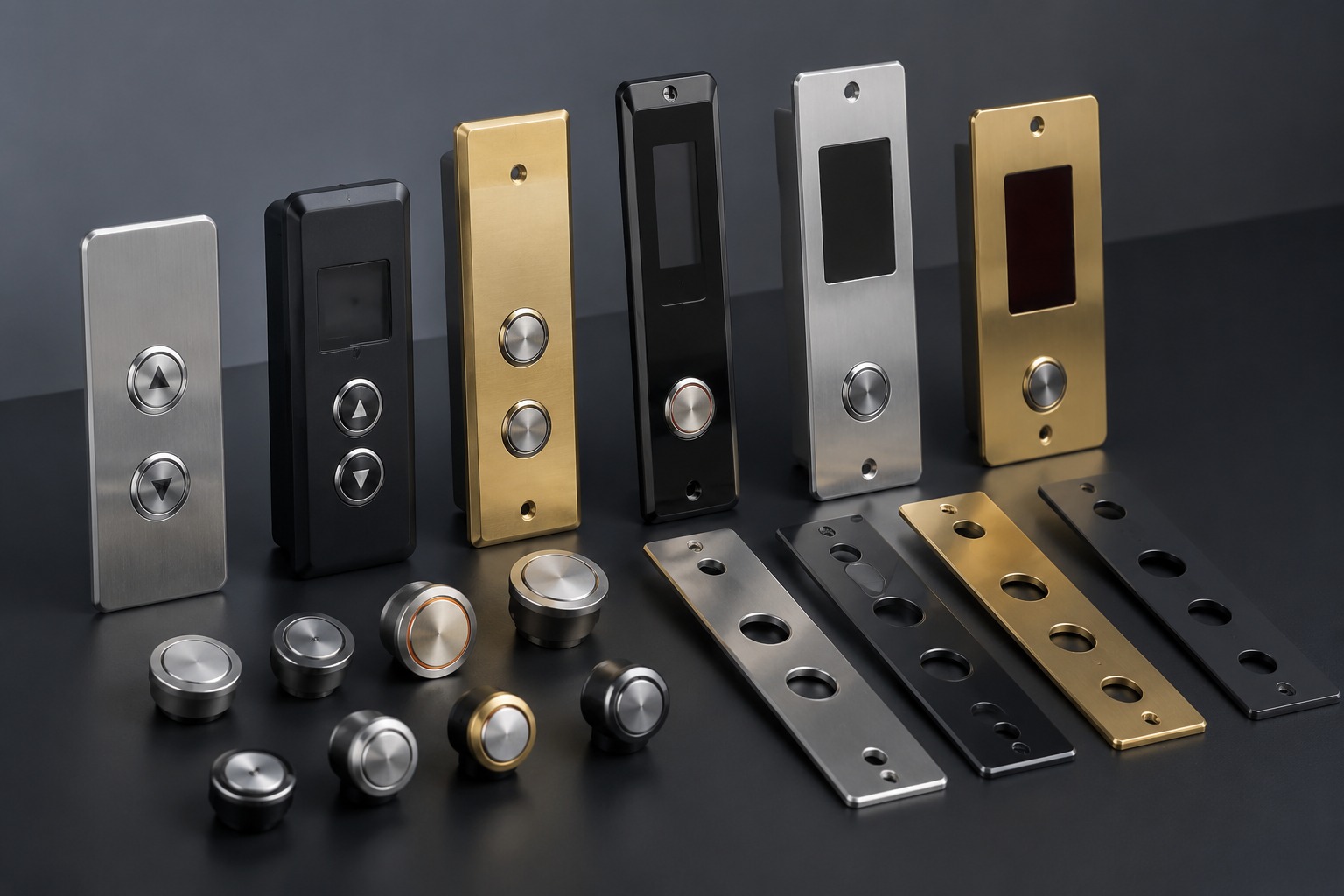
A car operating panel is more than a row of floor buttons. Depending on the application, it can include floor selection buttons, door open and door close buttons, alarm button, emergency stop where applicable to the system design, intercom or phone module, card reader cutout, attendant or independent service switches, key switches, overload indicator, speaker, microphone openings, floor position display, direction arrows, braille markings, tactile symbols, and lighting elements.
Some panels are narrow side-wall stations. Others are full-height integrated panels extending across much of the car wall. In premium buildings, the COP may also include custom engraving, destination-related messaging, or integrated touchless or access-control features. In freight or service elevators, the emphasis is usually sturdier construction and larger controls rather than decorative finish.
When replacing a panel, buyers should separate the visible assembly from the hidden support items. The visible portion may look simple, but the total scope can include mounting brackets, internal wiring harnesses, button modules, display boards, diffuser lenses, rear studs, controller interface connectors, and emergency communication hardware. This is why exact scope confirmation matters before purchasing.
| COP component | Primary function | Common options | Used in | Selection priority | Notes |
|---|---|---|---|---|---|
| Floor buttons | Passenger floor selection | Round, square, illuminated, anti-vandal | All elevator types | Very high | Must match signal type and cutout size |
| Door control buttons | Open and close commands | Icon style, color ring, raised legends | Passenger elevators | High | Visibility affects usability |
| Position display | Shows floor and direction | Dot matrix, LCD, segmented LED | Passenger and service cars | High | Needs controller compatibility |
| Alarm or help button | Emergency signaling | Red lens, engraved label, recessed style | All public-use cars | Very high | Must be clearly identified |
| Intercom/phone section | Two-way communication | Speaker holes, handset cutout, integrated module | Commercial and residential towers | High | Check local requirements and existing equipment |
| Key switches | Service mode or access control | Fire service, independent, attendant | Commercial and institutional buildings | Medium to high | Confirm cylinder type and labeling |
| Faceplate | Protective and visual front surface | Stainless, bronze tone, black finish | All elevator types | High | Affects appearance and durability |
The table above helps buyers break the panel into functional pieces. This makes it easier to compare suppliers, prepare a bill of materials, and avoid missing details that can hold up installation.
Button display and faceplate choices
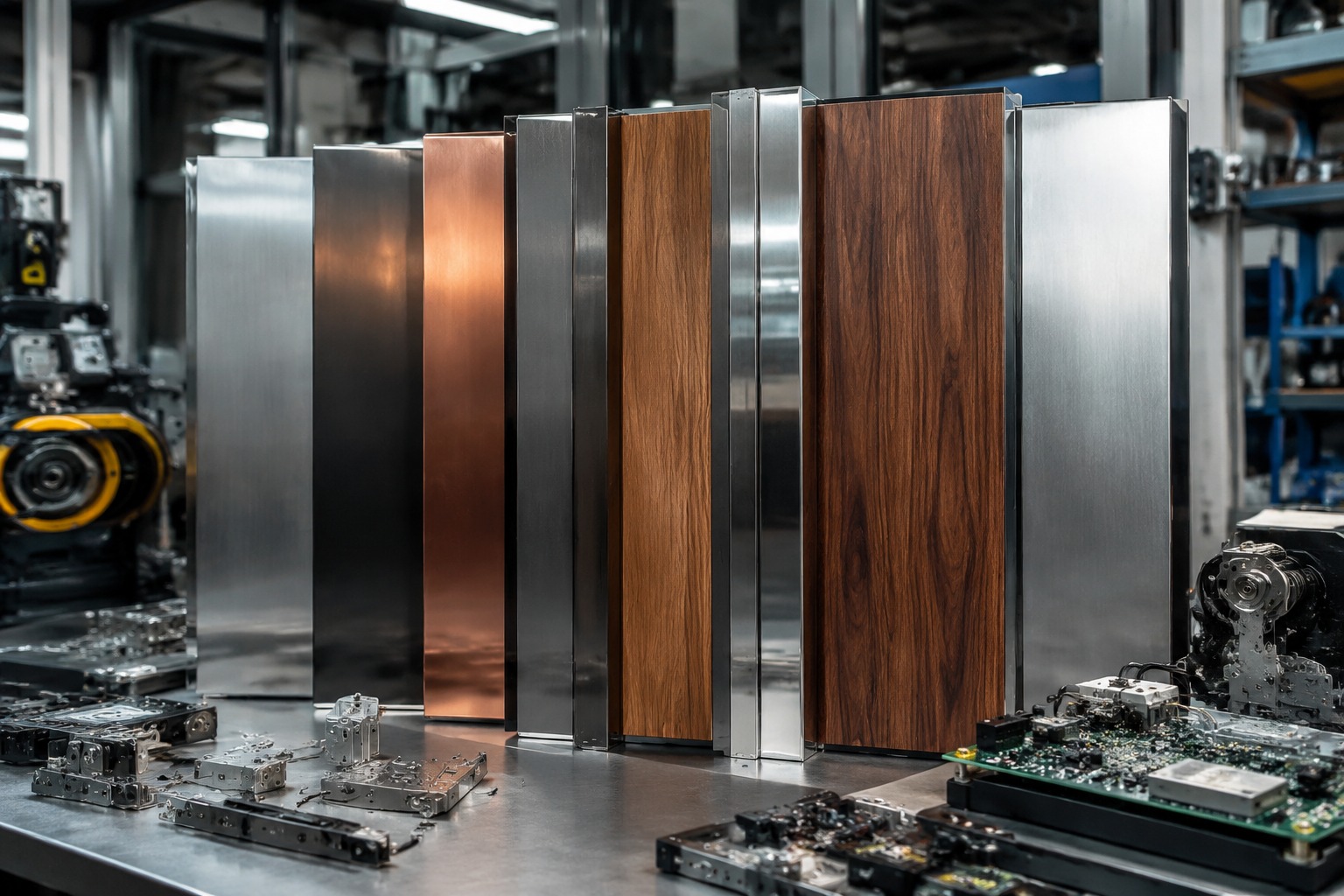
Buttons and displays shape first impressions. In the United States market, the most common faceplate material is stainless steel because it balances appearance, cost control, corrosion resistance, and ease of maintenance. Hairline and mirror finishes are common, but textured and fingerprint-resistant surfaces are increasingly popular in healthcare, hospitality, and premium multifamily projects.
Button selection affects both appearance and reliability. Metal buttons with LED illumination are common for commercial use. Anti-vandal styles are popular in schools, parking structures, public housing, and transit-adjacent facilities. Larger legends and higher-contrast illumination improve usability. Some buildings prefer warm white light to fit interior design, while others favor bright white or blue tones for visibility.
Display choice also matters. Segmented LED indicators remain common because they are readable and durable. Dot matrix displays allow more flexible messaging. LCD-based modules may offer richer graphics but are more sensitive to environmental and long-term maintenance considerations depending on use conditions.
For hall-car design coordination, buyers sometimes review matching styles with landing fixtures such as outbound call panels for Hitachi elevator parts and lift accessories so the car and hall stations present a consistent appearance across the property.
| Option area | Main choices | Best fit environment | Advantages | Trade-offs | Buying tip |
|---|---|---|---|---|---|
| Faceplate finish | Hairline stainless | General commercial buildings | Balanced cost and durability | Shows scratches over time | Good default for most projects |
| Faceplate finish | Mirror stainless | Luxury hotels and premium offices | High-end look | Shows fingerprints easily | Consider cleaning frequency |
| Faceplate finish | Textured stainless | Healthcare and schools | Hides wear well | More industrial appearance | Useful for high-touch locations |
| Button type | Standard illuminated metal | Office and multifamily | Reliable and familiar | Moderate impact resistance | Confirm lens color and legend style |
| Button type | Anti-vandal button | Public and heavy-abuse sites | Stronger housing | May cost more | Worth it where damage is recurring |
| Display type | Segment LED | Most modernization projects | Simple and durable | Less flexible graphics | Great for straightforward replacements |
| Display type | Dot matrix or LCD | Premium or custom cabs | More information display | Compatibility must be checked carefully | Review wiring and protocol in advance |
This comparison shows why there is no universal best option. The right choice depends on traffic volume, design expectations, and the maintenance team’s preference for durability versus visual impact.
How to customize elevator car panels
Customization starts with the project goal. Is the buyer replacing a damaged panel, modernizing an older car, rebranding an interior, improving accessibility, or converting from obsolete button modules to currently available parts? The goal determines whether the project needs a close replica, a revised layout, or a fully redesigned panel.
The most effective process usually includes six steps. First, gather existing panel photos, dimensions, mounting details, and cab wall conditions. Second, identify controller brand, elevator model, button voltage, signal style, and any display communication details. Third, define the new visual requirements such as stainless grade, finish, engraving, display window shape, and button illumination. Fourth, confirm required devices including alarm, phone, key switches, and card reader cutouts. Fifth, review a drawing before production. Sixth, inspect the finished unit before shipment and again before installation.
Customization can involve simple changes such as replacing only the faceplate with the same cutouts, or more extensive updates such as changing button spacing, adding braille, integrating voice or intercom equipment, or converting to a full-height panel. In U.S. office retrofits, common requests include cleaner typography, updated position indicators, and modernized emergency communication layouts. In hotels, customization often aims to align the panel finish with the renovated cab interior. In healthcare buildings, the focus is often reach range, visibility, and repeatable operation.
Technological capability matters here. A capable supplier can review dimensions, compare old and new module requirements, and help identify whether the original panel can be recreated with currently available components. Manufacturing capability also matters because panel flatness, cutout precision, engraved legends, and assembly consistency affect the final fit and appearance. Service capability is equally important because buyers often need quick communication on drawings, model confirmation, and packaging for safe arrival.
| Customization item | Typical request | Who usually requests it | Technical check needed | Visual impact | Difficulty level |
|---|---|---|---|---|---|
| Panel size | Match original footprint | Maintenance companies | Mounting holes and wall opening | Low to medium | Medium |
| Button layout | Reorder floor and function buttons | Modernization contractors | Wiring harness length and legends | Medium | Medium |
| Display upgrade | Replace older indicator with newer module | Building owners | Signal and protocol compatibility | High | High |
| Finish change | Hairline to mirror or dark finish | Interior designers | Material thickness and scratch resistance | High | Low to medium |
| Accessibility enhancement | Larger fonts, braille, tactile marks | Hospitals and public buildings | Layout spacing and mounting height | Medium | Medium |
| Security integration | Card reader or key switch opening | Offices and residential towers | Cutout size and cable routing | Medium | High |
| Anti-vandal upgrade | Stronger buttons and thicker plate | Schools and parking structures | Rear clearance and fastening method | Low | Medium |
This table shows how customization mixes visual and technical decisions. A successful project team handles both at the same time rather than choosing a look first and worrying about compatibility later.
Accessibility and durability considerations
Accessibility and durability should never be treated as secondary issues. In real use, they are often the main reason a panel succeeds or fails. Passengers need controls they can identify quickly and use confidently. Maintenance teams need assemblies that hold up under repeated use, cleaning, and occasional abuse.
For accessibility, U.S. projects commonly focus on tactile markings, braille, readable contrast, understandable symbols, and button placement that supports a broad range of users. Large, clearly illuminated door open and door close buttons are especially helpful in busy buildings. If the project serves seniors, patients, or visitors who may be unfamiliar with the building, intuitive layout matters as much as code awareness.
Durability depends on environment. A luxury residential tower in Manhattan may prioritize refined finish quality, but still needs scratch resistance. A hospital in Phoenix may need frequent disinfecting with cleaning chemicals. A beachfront property in Florida may need extra attention to corrosion resistance. A university building in Ohio may need anti-vandal button construction. A service elevator in an industrial plant near the Port of Houston may need thicker faceplate material and fewer delicate display elements.
Manufacturing capability plays a visible role here. Consistent metalworking, stable engraving quality, and reliable button sourcing help extend service life. Equally important is quality inspection before shipment, including visual checks, fit checks, and function checks. Strong protective packaging also matters because faceplates can be scratched or bent if packed poorly.
The industry demand comparison above reflects where customized COP panels are frequently requested in the United States. Healthcare, multifamily, and office projects tend to generate strong demand because they combine high usage with long equipment life cycles and periodic modernization budgets.
| Use condition | Main concern | Recommended panel feature | Why it helps | Common U.S. example | Expected result |
|---|---|---|---|---|---|
| Heavy daily traffic | Button wear | Commercial-grade illuminated metal buttons | Handles repeated pressing | Downtown office towers | Longer service intervals |
| Public access | Vandalism | Anti-vandal buttons and thicker plate | Reduces damage risk | Transit-adjacent buildings | Lower replacement frequency |
| Healthcare cleaning | Chemical exposure | Durable stainless finish | Better tolerance to regular cleaning | Hospitals and clinics | More stable appearance |
| Senior users | Low readability | Larger legends and higher contrast | Improves visibility | Senior housing | Better user confidence |
| Moist or coastal air | Corrosion | Corrosion-resistant material selection | Protects long-term condition | Florida coastal properties | Reduced staining and rust risk |
| Premium interiors | Visual consistency | Custom finish and engraving | Supports overall design language | Luxury hotels | Stronger guest impression |
The lesson is simple: durability should be defined by the actual environment, not by appearance alone. A panel that looks excellent in a showroom may not be the right choice for a school, hospital, or freight setting.
Matching COP design with building use
The best COP design changes by building type. In office buildings, the main goals are speed of recognition, durable finish, and a clean professional look. In hospitality, appearance becomes more important, but guests still need obvious controls and clear floor indication. In healthcare, usability and sanitation are often top priorities. In multifamily, design and cost balance often lead the discussion. In industrial or service settings, robust construction and easy replacement usually outrank decorative details.
For example, a Class A office building in San Francisco may prefer slim metal buttons, a crisp segmented display, and a hairline stainless faceplate that aligns with modern lobby finishes. A resort property in Orlando may want warmer lighting, decorative engraving, and a finish that supports the interior concept. A university building in Atlanta may choose anti-vandal buttons and a practical textured surface. A hospital in Minneapolis may need larger indicators, cleaner symbols, and strong resistance to repeated sanitizing routines.
Building use also affects panel layout. High-rise office towers with selective floor access may need integrated card reader provisions. Hotels may include service mode and staff control needs. Residential towers may need a balance of aesthetics and simple operation for visitors. Freight elevators may need fewer decorative features and more robust buttons, labels, and plate thickness.
The area chart highlights a realistic shift in buying priorities. More U.S. projects are giving stronger weight to accessibility, clarity, and long service life rather than choosing a panel mainly on finish alone. This trend is expected to continue through 2026.
| Building type | Top COP priority | Preferred button/display traits | Preferred faceplate style | Special considerations | Recommended buying focus |
|---|---|---|---|---|---|
| Office | Professional appearance and reliability | Clear LED indicators, standard metal buttons | Hairline stainless | Access control cutouts may be needed | Balance design with easy service |
| Hotel | Guest experience | Elegant illumination, readable floor display | Decorative stainless or custom finish | Interior design coordination | Review finish samples carefully |
| Hospital | Accessibility and sanitation | Larger legends, high contrast | Durable easy-clean stainless | Frequent cleaning cycles | Prioritize readability and durability |
| Multifamily | Cost and appearance balance | Standard illuminated buttons | Hairline or textured stainless | Visitor usability matters | Choose robust standard parts |
| School | Abuse resistance | Anti-vandal button sets | Textured stainless | High public contact | Invest in stronger hardware |
| Industrial/service | Functional durability | Large rugged controls | Heavier-gauge plate | Tools, carts, impacts | Keep design simple and tough |
This table provides a practical shortcut for project teams deciding where to put the budget. Different facilities value different features, and the best outcomes come from aligning the panel with actual operating conditions.
Wiring and controller compatibility
Compatibility is where many COP projects succeed or fail. A panel can be dimensionally correct and visually attractive, yet still cause delays if the button contacts, illumination voltage, display communication method, connector type, or mounting configuration do not match the elevator system.
Before ordering, buyers should verify controller brand, elevator model, existing panel photos, back-side wiring details, display board information, button specifications, and whether the replacement is intended to be plug-compatible or will require field wiring adjustments. This is especially important when working with established brands such as Hitachi, Toshiba, KONE, Mitsubishi, and other systems found across the U.S. installed base. Even within one brand family, variations by generation can be significant.
Technological capability is essential in this stage. An experienced parts supplier should be able to review nameplates, old part photos, dimensions, and application details to help narrow the correct configuration. Manufacturing capability matters when custom harnesses, connector positions, and precise cutouts are involved. Service capability matters because contractors often need responsive communication while confirming models for urgent repairs.
For maintenance teams, compatibility planning is also about reducing downtime. In cities with expensive labor and strict scheduling windows, such as New York, Seattle, and San Jose, a wrong panel can be more costly than the part itself. Careful pre-checks protect both budget and schedule.
The comparison chart reflects what many U.S. buyers prioritize when choosing a COP supplier. Compatibility support and accurate model matching consistently rank near the top because they directly affect downtime and installation success.
Quality checks before installation
Quality control should happen before the panel reaches the job site and again before it is mounted. A practical pre-installation process reduces surprises and avoids rework in the field. First, inspect the faceplate for scratches, dents, uneven finish, and engraving quality. Second, check dimensions, mounting holes, and cutout positions against approved drawings. Third, confirm the button quantity, legends, braille placement, and indicator windows. Fourth, inspect wiring, harness labels, and connector types. Fifth, if possible, bench-test button action, illumination, and display response. Sixth, verify the package included all agreed accessories.
This is where supplier service capability becomes visible. Reliable sourcing is important, but stable inspection and protective packaging are just as important. A well-made panel that arrives bent or with damaged lenses still creates downtime. For customers managing replacement parts across multiple properties in the United States, consistent packaging and shipping communication can save significant time.
From a buying perspective, it helps to request production photos or a final inspection summary before shipment, especially for customized orders. On larger modernization programs, standardized checklists help contractors keep multiple panel variants organized by building and elevator number.
| Inspection point | What to verify | Why it matters | When to check | Common issue found | Action if issue appears |
|---|---|---|---|---|---|
| Faceplate finish | Scratches, dents, color consistency | Visible quality and owner acceptance | Before shipment and on receipt | Transit damage | Document and hold installation |
| Dimensions | Height, width, thickness | Fit in existing cab wall opening | Before shipment | Mounting mismatch | Reconfirm drawing against field measurements |
| Cutouts and holes | Button, switch, display, speaker openings | Component fit and alignment | Before assembly and on receipt | Misplaced cutout | Stop use and request correction |
| Button legends | Floor labels, symbols, braille | User clarity and accessibility | Final inspection | Wrong marking sequence | Correct before dispatch |
| Wiring and connectors | Plug type, harness length, labels | Compatibility and faster installation | Pre-shipment test | Incorrect connector | Replace or rework before shipping |
| Function test | Press feel, illumination, display response | Operational reliability | Final QC | Dead button or inconsistent light | Replace component and retest |
| Packaging | Corner protection and surface film | Prevents freight damage | Before dispatch | Faceplate scratching | Upgrade packing method |
This checklist is useful for maintenance companies, distributors, and modernization contractors because it translates quality control into a repeatable process. It also helps building owners understand why a detailed procurement review lowers project risk.
Future trends for 2026 in elevator COP panels
Looking toward 2026, four trends are shaping COP customization in the United States.
First, user-centered design is becoming more important. Buyers want clearer icons, stronger contrast, improved visibility, and smarter integration of displays and access control. Touchless functions and cleaner interfaces may continue in specific sectors, though durable physical buttons will remain the standard in most applications because of reliability and familiarity.
Second, modernization compatibility will stay central. As older elevators remain in operation, demand will continue for COP solutions that bridge original systems and currently available replacement components. This includes smarter model matching, drawing verification, and modular assembly design.
Third, policy and accessibility awareness will keep influencing layouts and markings. Even when code interpretation varies by project and jurisdiction, buyers are increasingly proactive about tactile marking quality, intuitive arrangement, and user-friendly control zones. Hospitals, public buildings, senior living communities, and transportation-linked projects will be especially active here.
Fourth, sustainability will matter more. Stainless steel remains a strong material choice due to durability and long usable life, but buyers are also paying more attention to repairability, packaging efficiency, lower replacement frequency, and products that avoid unnecessary waste through better fit and longer service intervals. For U.S. owners with ESG goals, a durable, correct-first-time replacement can support maintenance sustainability better than repeated short-life parts orders.
Case examples from the United States market
A hotel renovation in Orlando may replace an older mirrored COP with a new stainless design that better resists fingerprints while keeping a polished guest appearance. The project may require revised button lighting, updated floor legends, and a matching hall fixture style. The value comes from balancing design with ease of housekeeping and repeatable maintenance.
A hospital tower in Houston may request a larger, clearer COP with high-contrast floor numbering, durable sanitation-friendly finish, and confirmed integration with the existing controller. Here, the buyer values function over visual novelty. Accurate model matching and dependable quality inspection reduce outage risk in a sensitive environment.
An office modernization in Seattle may need a custom faceplate to fit an older cab wall opening while upgrading the display and adding access-control provisions. Because labor scheduling is tight, responsive service and complete packaging become just as important as fabrication quality.
A multifamily high-rise in Miami may want a fresh, contemporary panel appearance that aligns with lobby upgrades while also handling humidity and steady resident use. In this scenario, faceplate finish, corrosion resistance, and easy replacement of standard buttons all become part of the buying decision.
Choosing a supplier in the United States supply chain
Buyers in the United States often evaluate suppliers on more than unit price. They want sourcing stability, accurate compatibility support, responsive communication, careful inspection, and packaging that protects finished panels in transit. This is especially important for maintenance companies and distributors serving multiple buildings, where one incorrect shipment can affect several service schedules.
A strong supplier should demonstrate technological capability by helping confirm part models, panel dimensions, and controller-related details. It should demonstrate manufacturing capability through consistent metalworking, precise cutouts, reliable assembly, and stable quality checks. It should demonstrate service capability through responsive quoting, drawing support, packaging discipline, and shipment follow-up. These strengths matter whether the project is a straightforward replacement or a full modernization panel package.
For buyers sourcing elevator parts more broadly, a supplier that also supports related products such as control boards, door operator components, door locks, light curtains, guide shoes, sensors, encoders, power supplies, buttons, intercom parts, and other lift accessories can simplify procurement and reduce downtime when multiple systems need attention at once.
FAQ about elevator COP panels
What does COP mean in an elevator?
COP stands for car operating panel. It is the panel inside the elevator cab that includes floor selection buttons and other operating functions such as door controls, alarm, display, and sometimes intercom or service switches.
Can a COP panel be customized to match an existing elevator?
Yes. Many projects involve matching an existing footprint, cutout pattern, finish, and wiring arrangement. The best results come from sharing photos, dimensions, nameplate data, and controller details before production.
What is the most common faceplate material in the United States?
Stainless steel is the most common because it offers a practical combination of appearance, durability, and serviceability across commercial, residential, and institutional applications.
How do I know if a replacement COP is compatible?
Check the controller brand, elevator model, button specifications, display type, connector details, mounting dimensions, and any communication requirements. Accurate model matching is essential.
Are anti-vandal buttons worth the added cost?
In schools, public buildings, parking structures, and other high-abuse environments, they often reduce replacement frequency and labor costs enough to justify the investment.
What should be inspected before installation?
Inspect faceplate condition, dimensions, mounting holes, cutouts, legends, braille, wiring, connectors, illumination, and display function. Also check packaging for signs of shipping damage.
Can a COP panel include access control or intercom features?
Yes. Many customized panels include key switches, card reader openings, speaker holes, microphone openings, or integrated communication sections depending on the project scope.
What trend is most important for 2026?
A combination of accessibility-focused design, dependable modernization compatibility, and sustainability through long-life, correctly matched replacement parts is likely to define the next wave of COP buying decisions in the United States.
For U.S. elevator professionals, the best COP panel is the one that fits the system, fits the building, and fits the service plan. When button style, display type, faceplate finish, accessibility, durability, wiring, and quality control are reviewed together, customization becomes a practical way to improve passenger experience and reduce maintenance risk at the same time.